South Korea · hotel area guide

Where to stay in Seoul

Seoul is large and its subway is excellent, so the choice is about character rather than convenience. Myeongdong is central shopping and the easiest airport link; Jongno holds the palaces and the old streets; Hongdae is student nightlife and music; Gangnam is the polished business and shopping district south of the river.

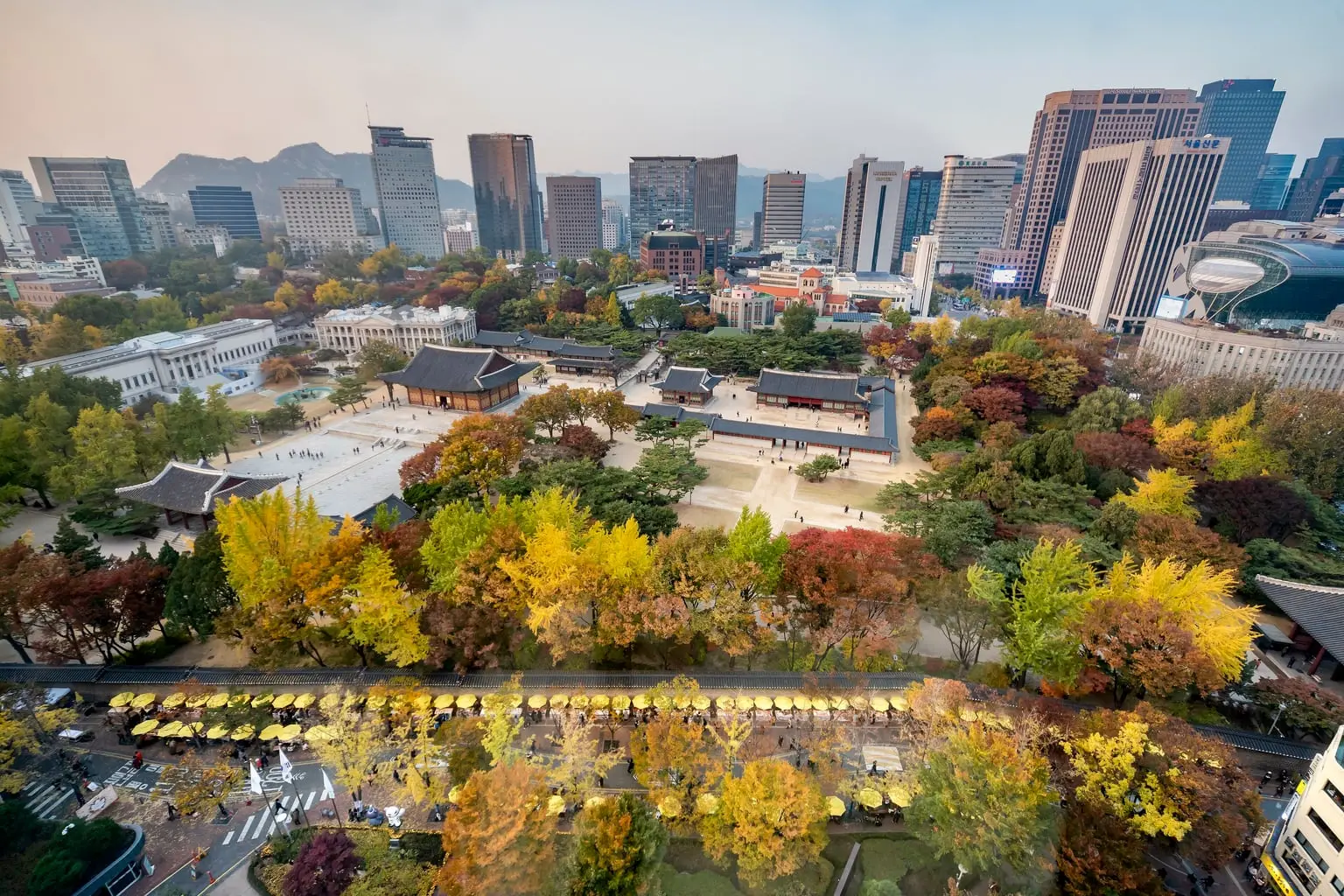
Photograph of Seoul Photo: 라성민 · CC BY-SA 3.0

The short answer

Where should you stay in Seoul?

Stay in Myeongdong for central shopping and the simplest airport link; stay in Jongno or Insadong for the palaces and old streets; stay in Hongdae for nightlife and music; stay in Gangnam for newer hotels and upmarket shopping south of the river.

Seoul’s subway is comprehensive, so the choice is about character rather than convenience. What does matter is the river: crossing it repeatedly costs time you would rather spend elsewhere.

Start with the area

Four practical bases in Seoul.

The river is the main divide. North of it are the palaces and the old city; south of it is newer, wider and more corporate. Both are well served, but crossing repeatedly eats time.

01

Myeongdong

Myeongdong is central, dense with shops and street food, and directly connected to the airport rail link — which makes it the default first-visit base. It is heavily oriented toward visitors and crowded most evenings. The palaces and the old quarters are a short subway ride north.

Best for

Central shopping, food streets and airport links.

Watch for

Heavily tourist-facing and crowded.
02

Jongno & Insadong

North of Myeongdong, this is historic Seoul: the main palaces, Bukchon’s hanok streets, Insadong’s craft shops and Jongno’s older restaurants. It is the most atmospheric base and the best for sightseeing on foot. Evenings are quieter than the shopping and nightlife districts.

Best for

Palaces, hanok streets and traditional Seoul.

Watch for

Quieter at night than the shopping districts.

03

Hongdae

Around Hongik University in the west, Hongdae is the centre of student nightlife, live music and street performance, with an accompanying supply of hostels and small hotels. It is loud and young, and it is a long way from the palaces. Choose it deliberately rather than by price.

Best for

Nightlife, live music and a young crowd.

Watch for

Loud, and far from the palaces.

04

Gangnam

South of the Han river, Gangnam is newer, wider and more corporate, with upmarket shopping, larger modern hotels and good subway links. It suits business travel and shopping trips. For a sightseeing visit centred on the historic north, it adds a river crossing to most days.

Best for

Business, upmarket shopping and newer hotels.

Watch for

South of the river and less atmospheric.

Match the base to the trip

A faster Seoul area decision.

Use these profiles as a starting point, then test the exact hotel address against the journeys you will repeat.

01

A first visit with easy arrival: Myeongdong.

02

Palaces and hanok streets: Jongno or Insadong.

03

Music and late nights: Hongdae.

04

Shopping, business and newer hotels: Gangnam.

Arrival and daily movement

Test the complete route—not only the map pin.

Transport details change. Use this planning framework, then verify the final journey with the official sources listed below.

01 / ARRIVAL

From the terminal to the hotel door

Incheon is the main international airport and sits well west of the city, connected by an express rail service, all-stop trains, limousine buses and taxis. Gimpo airport is closer and handles some regional flights.

Ask the property which connection it recommends from Incheon and where the nearest stop is. Journey times vary widely between the options and luggage matters on the all-stop train.

02 / GETTING AROUND

Build around the journeys you will repeat

The subway is extensive, signed in English and straightforward, with buses filling the gaps. A rechargeable transit card works across both. Check current fares and card options at source.

Seoul is hillier than it looks and several central neighbourhoods involve slopes. Ask the property whether its street climbs, particularly around Bukchon and the areas below Namsan.

A clearer shortlist

What to verify before choosing.

A few property-specific answers can remove more uncertainty than another hour of scrolling.

Location checks

Ask which subway line the nearest station serves — it shapes how the week works.

Confirm the airport transfer; Incheon is far and the express train is a common route.

Check whether the property is on a hill; several central neighbourhoods are steep.

Questions for the hotel

Which subway station and exit are nearest, and which lines serve it?

How do you recommend travelling from Incheon at my arrival hour?

Is the street to the property uphill?

What is the room size, and does it have a window?

Direct-call prompt

Ask which subway station and exit are nearest, and how you should travel from Incheon at your arrival hour.

Find listed phone numbers →

Planning answers

Seoul hotel area FAQ.

Answers are designed for area selection. Confirm current service, access and property terms before relying on them.

Where should I stay in Seoul for a first visit?

Myeongdong for central convenience and the airport link, or Jongno for the palaces and old streets. Both put the main sights within easy reach on the subway.

How do I get from Incheon Airport?

An express train, all-stop trains, limousine buses and taxis all serve the city with different journey times and prices. Ask your property which it recommends for its address and your arrival time.

Is Gangnam a good base for sightseeing?

Less so than the north — the palaces, hanok villages and old markets are all north of the river. Gangnam suits business, shopping and newer hotels.

Is Seoul walkable?

Within neighbourhoods, yes, though it is hillier than expected in places. Between districts the subway is faster and more comfortable.

Is Hongdae too loud?

It is genuinely noisy late, particularly at weekends. If you want the area’s energy but need sleep, ask for a room away from the main streets or consider neighbouring districts.

When is the best time to visit?

Seoul has four distinct seasons with cold winters and hot, humid summers. The transitional months are generally the most comfortable. Ask the property what to expect for your dates.

Editorial record

Reviewed by the Hotelsoncall editorial desk on . Hotel directory snapshot: Overture Maps. Transport and visitor information should be checked at source.

Official planning sources

Seoul hotel map

Where the Seoul hotels actually are.

1,588 mapped places to stay, drawn at their recorded position — Seoul alone holds 355 of them. Density shows where the stock sits; the four bases above say which part of it fits your trip.

Continue planning

Compare another destination guide.

Use the same area-first method across the next stops on your trip, or return to the complete guide collection.

All Asia destinations →Browse all destination guides →Open practical hotel search guides →