Japan · hotel area guide

Where to stay in Osaka

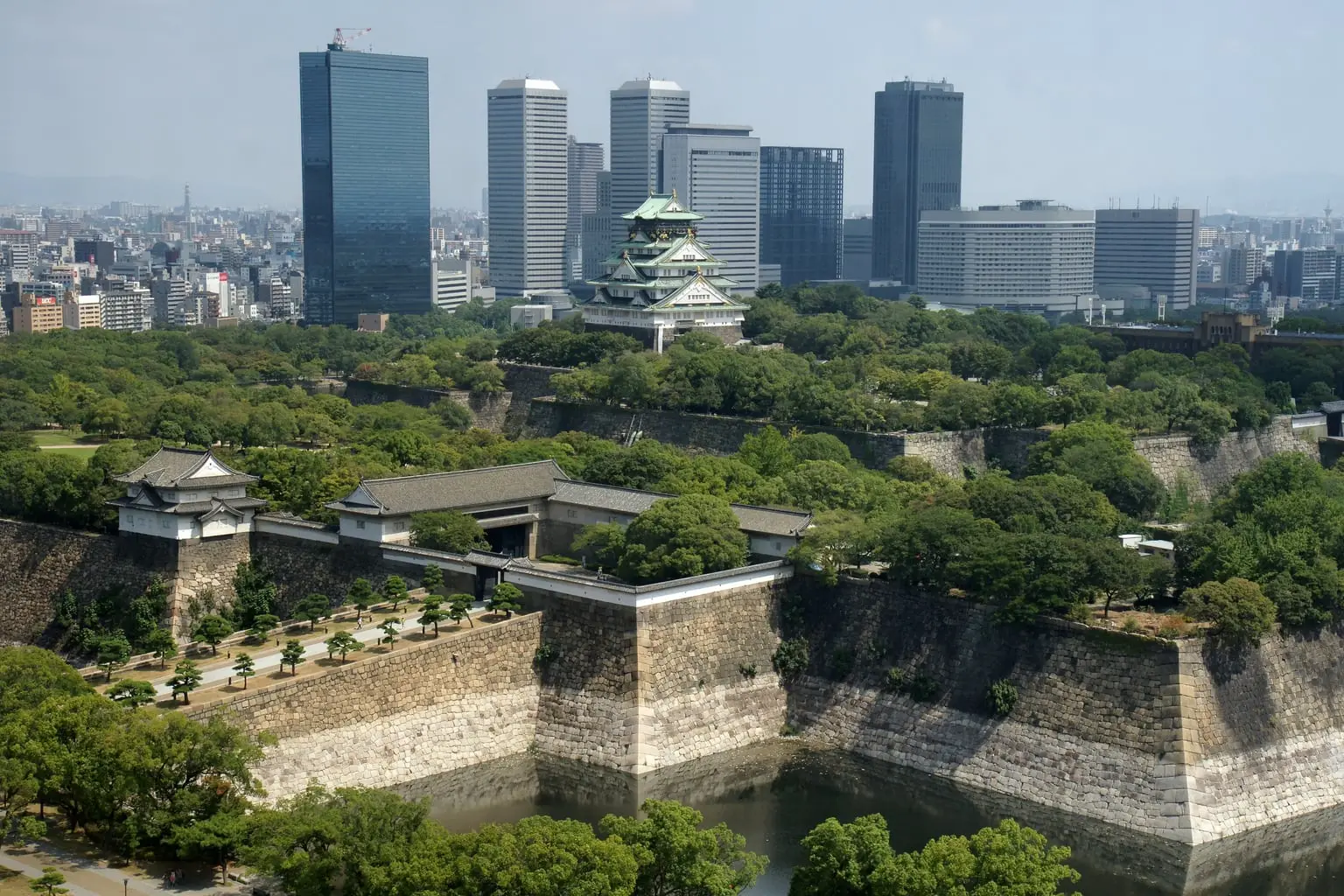
Osaka splits between two centres. Kita, around Umeda station, is the northern hub with the best rail connections; Minami, around Namba and Shinsaibashi, is the food and nightlife heart. Tennoji sits south with a park and a tower; the Bay Area holds the aquarium and the theme park.

Photograph of Osaka Photo: 663highland · CC BY 2.5

The short answer

Where should you stay in Osaka?

Stay in Namba or Shinsaibashi for food, nightlife and the heart of Minami; stay in Umeda for the best rail connections including Kyoto, Kobe and the airport; stay in Tennoji for value and access to Nara; stay in the Bay Area if the aquarium and theme park are the plan.

Osaka is frequently used as a base for Kyoto and Nara. If that is your plan, the station and the line matter more than the neighbourhood — ask which line runs from the nearest station before comparing anything else.

Start with the area

Four practical bases in Osaka.

If Osaka is your base for Kyoto and Nara — which it frequently is — proximity to the right station matters more than the neighbourhood’s character. Ask which line runs from the nearest station before comparing rooms.

01

Namba & Shinsaibashi

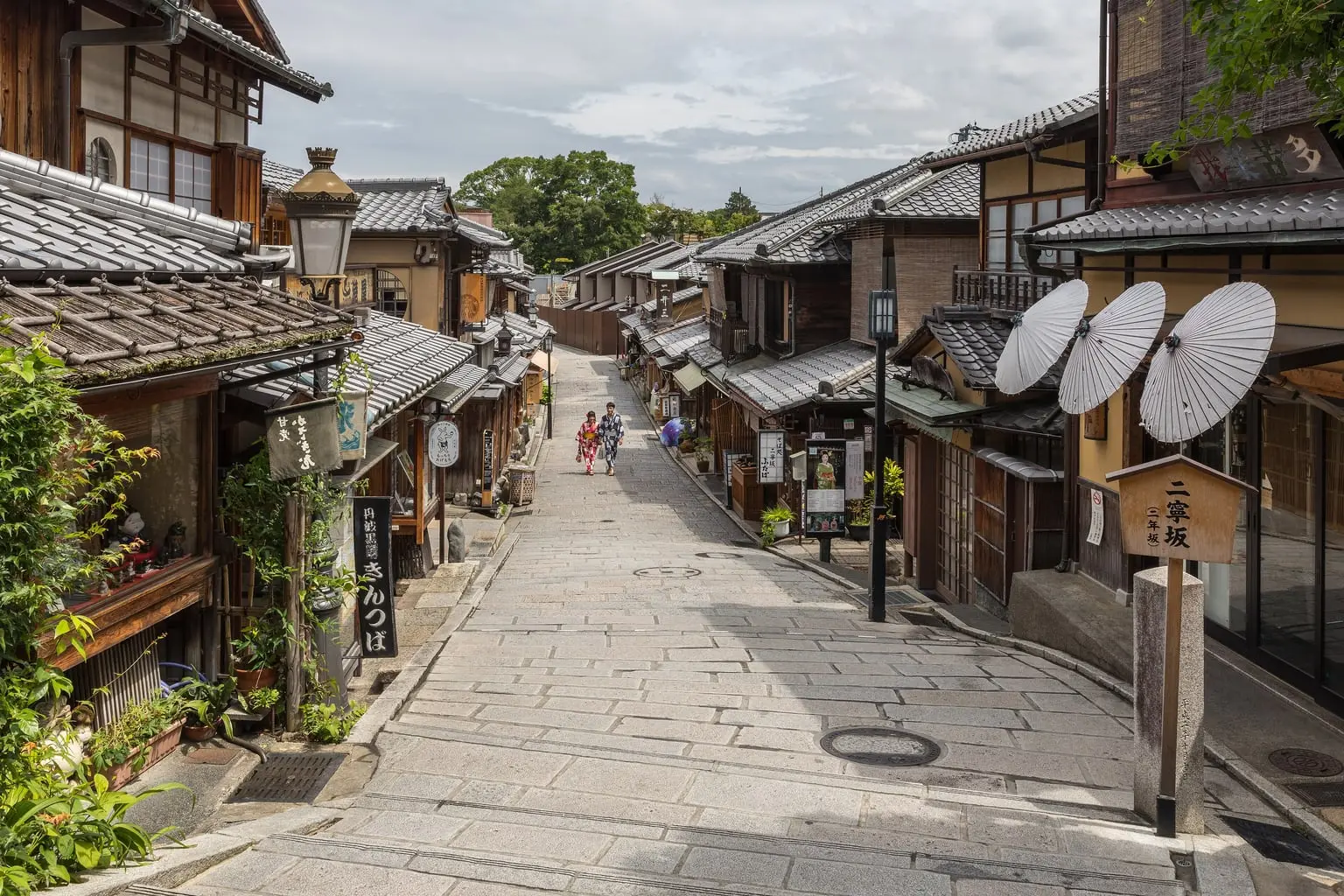
Minami is the Osaka most visitors picture: Dotonbori’s canal and signage, covered shopping arcades, and a dense concentration of restaurants and bars. It is the most enjoyable area to stay for food and evenings. It is also crowded and noisy in the core, so a room a street or two back makes a real difference.

Best for

Food streets, nightlife and central Minami.

Watch for

Crowded and loud in the core.
02

Umeda (Kita)

The northern hub around Osaka and Umeda stations is where the rail lines converge, including services to Kyoto, Kobe and the airports. It has large modern hotels, department stores and underground shopping. Character is limited — it is a transport and business district — but for a base used mainly for day trips it is the most efficient choice.

Best for

Rail connections to Kyoto, Kobe and the airport.

Watch for

A station-and-office district rather than atmospheric.

03

Tennoji

South of the centre, Tennoji has a park, a zoo, the tallest building in the city and good connections toward Nara and the airport. Rates are generally lower than Minami or Kita. The surrounding area is more workaday, and the nightlife is thinner.

Best for

Value, a park and access to Nara.

Watch for

Further from the main nightlife.

04

Bay Area

West on the waterfront, the Bay Area holds the aquarium, the ferris wheel and the major theme park, with hotels geared to families visiting them. It is convenient if those are the reason for the trip. It is detached from the city centre, so evenings out mean travelling back in.

Best for

Aquarium, the theme park and family attractions.

Watch for

Detached from the city centre.

Match the base to the trip

A faster Osaka area decision.

Use these profiles as a starting point, then test the exact hotel address against the journeys you will repeat.

01

Food, nightlife and Dotonbori: Namba or Shinsaibashi.

02

Day trips to Kyoto, Kobe and the airport: Umeda.

03

Value and Nara access: Tennoji.

04

Aquarium and theme park: the Bay Area.

Arrival and daily movement

Test the complete route—not only the map pin.

Transport details change. Use this planning framework, then verify the final journey with the official sources listed below.

01 / ARRIVAL

From the terminal to the hotel door

Kansai International Airport sits south of the city on an artificial island, connected by express trains and buses; Itami handles domestic flights and is closer. Journey times differ, so check which airport your flight uses.

Ask the property which station is nearest and how far the walk is with luggage. Japanese city stations are large and the difference between two exits can be significant.

02 / GETTING AROUND

Build around the journeys you will repeat

Osaka has a subway network plus several private railway operators, and passes do not always cover all of them. Ask the property which lines serve its nearest station and check current pass coverage at source before buying one.

The city is walkable within districts and well connected between them. For Kyoto and Nara, the relevant question is which operator runs from your local station, since the fastest route differs by base.

A clearer shortlist

What to verify before choosing.

A few property-specific answers can remove more uncertainty than another hour of scrolling.

Location checks

Ask which station is nearest and which lines run from it — Osaka has several operators.

Confirm room size; Japanese city rooms are compact by international standards.

For day trips to Kyoto or Nara, check which station your line uses.

Questions for the hotel

Which station is nearest, and which lines and operators run from it?

How long is the walk from the station with luggage?

What is the room size in square metres?

Which airport do you recommend, and how do I reach you from it?

Direct-call prompt

Ask which station and line are nearest, and how long the walk is with luggage.

Find listed phone numbers →

Planning answers

Osaka hotel area FAQ.

Answers are designed for area selection. Confirm current service, access and property terms before relying on them.

Should I base in Osaka or Kyoto?

Osaka generally offers more hotel choice at lower rates with fast connections to Kyoto, which is why many visitors base here. Kyoto suits travellers who want early-morning and evening access to its temples, when the day crowds are absent.

Which Osaka area is best for a first visit?

Namba and Shinsaibashi for food and atmosphere, Umeda for transport efficiency. If you plan several day trips, Umeda usually wins; if you plan to eat your way around Osaka, Minami does.

How do I get from Kansai Airport?

Express trains and buses connect the airport with the main city stations, with journey times varying by route. Ask the property which connection it recommends for its address.

Are rail passes worth it?

It depends entirely on your itinerary and which operators you use — Osaka has several, and not all passes cover all of them. Check current coverage and prices at source against your actual planned journeys.

Are hotel rooms small?

Japanese city hotel rooms are compact by international standards, particularly in business hotels. Ask for the size in square metres if space matters.

Is Osaka good for families?

Yes — the aquarium, the castle and the theme park are all straightforward with children, and the Bay Area is built around them. Confirm bed configurations, which vary considerably in Japanese hotels.

Editorial record

Reviewed by the Hotelsoncall editorial desk on . Hotel directory snapshot: Overture Maps. Transport and visitor information should be checked at source.

Official planning sources

Osaka hotel map

Where the Osaka hotels actually are.

1,692 mapped places to stay, drawn at their recorded position — 大阪市中央区 alone holds 504 of them. Density shows where the stock sits; the four bases above say which part of it fits your trip.

Continue planning

Compare another destination guide.

Use the same area-first method across the next stops on your trip, or return to the complete guide collection.

All Asia destinations →Browse all destination guides →Open practical hotel search guides →