Shinjuku
Best for
First visits, nightlife and broad rail links.
Trade-off
Large stations involve long internal walks and careful exits.
Japan · hotel area guide
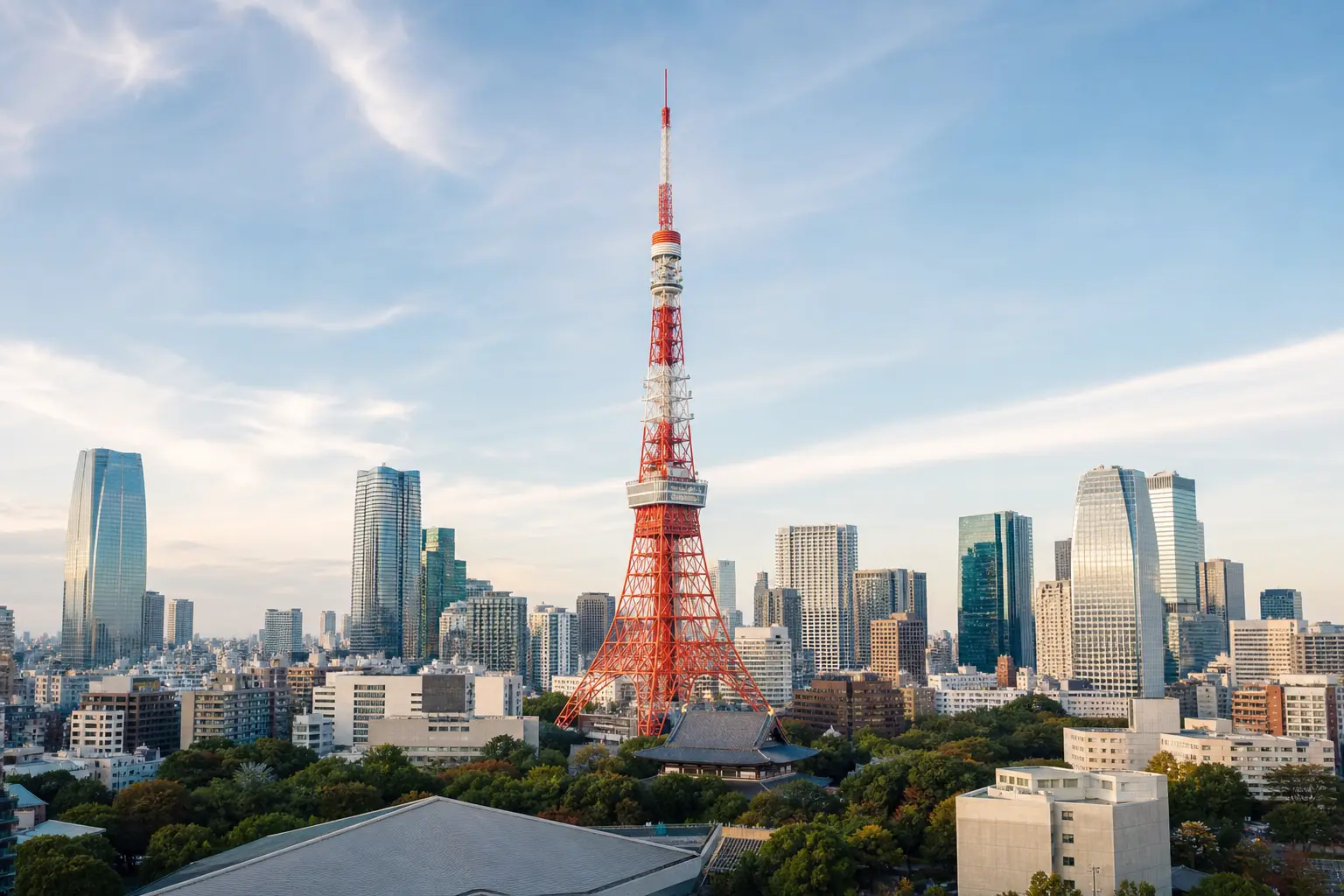
Tokyo has no single center; its rail network connects several major hubs, each with its own pace. The best hotel district usually reduces transfers on your most frequent route.
Start with the area
Start with the line serving your main plans, then compare station exits and the final walk. A few minutes on the right line can be more valuable than a shorter map distance.
First visits, nightlife and broad rail links.
Large stations involve long internal walks and careful exits.
Fashion, dining and active evenings.
Crowds and street activity may not suit a quiet stay.
Business and Shinkansen travel.
The district is formal and quieter at night.
Traditional streets and a relaxed base.
Western and southern districts require longer journeys.
A clearer shortlist
A few location-specific questions can remove more uncertainty than another hour of scrolling.
Compare the most useful station entrance, not just the station.
Check room dimensions and bed width.
Confirm luggage storage, forwarding and late-arrival procedures.
Ask which station exit is easiest with luggage and whether the route includes stairs or a lift.
Build your Tokyo map
Search the city, add the stops that matter and focus the map on the area you would actually enjoy using as a base.
Continue planning
Use the same area-first method across the next stops on your trip, or return to the complete guide collection.