Hong Kong SAR · hotel area guide

Where to stay in Hong Kong

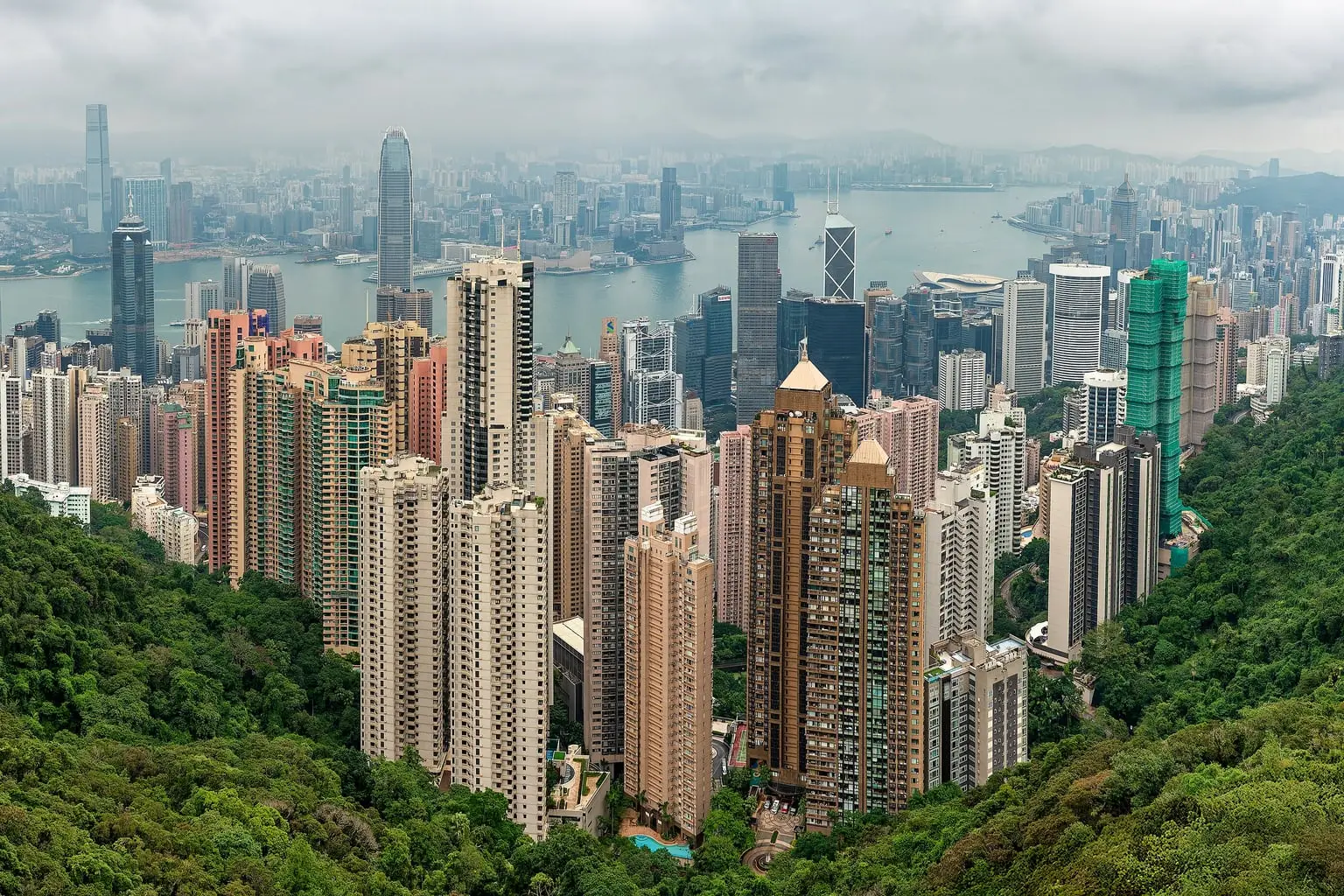
Hong Kong divides across a harbour. Kowloon side, Tsim Sha Tsui looks back at the skyline and holds the museums and the ferry pier; Island side, Central is the business core with the mid-levels escalator above it, Wan Chai and Causeway Bay stretch east with markets and shopping.

Photograph of Hong Kong Photo: Mustang Joe · CC0

The short answer

Where should you stay in Hong Kong?

Stay in Tsim Sha Tsui for harbour views, museums and the Star Ferry; stay in Central or Sheung Wan for the business core and the bar districts; stay in Causeway Bay for shopping and transport; stay in Wan Chai for a mix of both at better value.

Two Hong Kong facts should shape the booking: rooms are small by international standards, and the MTR is so good that being near a station outweighs almost everything else.

Start with the area

Four practical bases in Hong Kong.

Rooms here are small by international standards and the MTR is excellent. Both facts should shape the booking more than the star rating does.

01

Tsim Sha Tsui

On the Kowloon side, Tsim Sha Tsui faces the island skyline across the harbour and holds the museums, the promenade and the Star Ferry pier. It has the widest range of hotels at every price and the best views. It is also intensely busy, and building quality varies enormously — research the specific property rather than the district.

Best for

Harbour views, museums and the Star Ferry.

Watch for

Very busy; quality varies enormously between buildings.
02

Central & Sheung Wan

The island’s business core carries the highest rates, the mid-levels escalator, and the bar and restaurant districts around Soho and Lan Kwai Fong. It is convenient for the Peak and the ferries. On Sundays much of the business district is quiet, which surprises visitors expecting constant activity.

Best for

Business, bars and the escalator district.

Watch for

The most expensive area, quiet on Sundays.

03

Causeway Bay

East along the island, Causeway Bay is the shopping district — dense, crowded and very well connected by MTR and tram. Rates sit below Central and the food options are excellent. Street-level congestion here is among the heaviest in the city.

Best for

Shopping, food and good MTR links.

Watch for

Dense crowds at street level.

04

Wan Chai

Between Central and Causeway Bay, Wan Chai mixes older markets and tenements with newer towers and the convention centre. It offers better value than Central with similar access. The character changes block by block, so ask the property to describe its immediate surroundings.

Best for

A mix of old and new at better value.

Watch for

Uneven — blocks change character quickly.

Match the base to the trip

A faster Hong Kong area decision.

Use these profiles as a starting point, then test the exact hotel address against the journeys you will repeat.

01

Harbour views and museums: Tsim Sha Tsui.

02

Bars, business and the Peak: Central or Sheung Wan.

03

Shopping and food: Causeway Bay.

04

Value with central access: Wan Chai.

Arrival and daily movement

Test the complete route—not only the map pin.

Transport details change. Use this planning framework, then verify the final journey with the official sources listed below.

01 / ARRIVAL

From the terminal to the hotel door

Hong Kong International Airport connects to the city by a fast rail link, buses and taxis. The rail link has in-town check-in at its stations, which is useful on departure.

Ask the property which MTR station and exit to use. Stations here are large with multiple exits, and coming out of the wrong one with luggage can mean a long walk back.

02 / GETTING AROUND

Build around the journeys you will repeat

The MTR is fast, frequent and covers both sides of the harbour, supplemented by trams on the island, the Star Ferry and an extensive bus network. Check current fares and the stored-value card options at source.

Walking between districts is feasible but the terrain is steep on the island side, where escalators and footbridges do much of the work. The Star Ferry remains the pleasantest way to cross the harbour.

A clearer shortlist

What to verify before choosing.

A few property-specific answers can remove more uncertainty than another hour of scrolling.

Location checks

Ask for the room size in square metres — Hong Kong rooms are compact.

Confirm which MTR exit is nearest; stations here are large and exits matter.

If a harbour view is the point, ask whether it is unobstructed and from which floor.

Questions for the hotel

What is the room size in square metres?

Which MTR station and exit are nearest?

If the room has a harbour view, is it unobstructed and from which floor?

Is there a window in the room, and does it face a light well?

Direct-call prompt

Ask for the room size and which MTR exit to use, then confirm whether any view is blocked by a neighbouring building.

Find listed phone numbers →

Planning answers

Hong Kong hotel area FAQ.

Answers are designed for area selection. Confirm current service, access and property terms before relying on them.

Kowloon or Hong Kong Island?

Kowloon, particularly Tsim Sha Tsui, for harbour views, museums and a wider price range; the island for business, bars and the Peak. The MTR and the Star Ferry make crossing easy, so either works.

Are Hong Kong hotel rooms really small?

Yes, by international standards. Always ask for the size in square metres and check whether the room has an external window rather than one facing a light well.

How do I get from the airport?

A fast rail link, buses and taxis all serve the airport. The rail link is quickest and offers in-town check-in at its stations for departures. Ask your property which it recommends.

Do I need to know which MTR exit?

It genuinely helps. Stations are large with many exits and the wrong one can add a substantial walk. Ask the property for the exit number.

Is Wan Chai a good base?

It offers better value than Central with similar access, though the character varies noticeably block by block. Ask the property to describe its immediate street.

When is the best time to visit?

The climate is humid and subtropical with a typhoon season; conditions vary considerably through the year. Ask the property what to expect for your dates if weather affects your plans.

Editorial record

Reviewed by the Hotelsoncall editorial desk on . Hotel directory snapshot: Overture Maps. Transport and visitor information should be checked at source.

Official planning sources

Hong Kong hotel map

Where the Hong Kong hotels actually are.

1,833 mapped places to stay, drawn at their recorded position — Kowloon alone holds 619 of them. Density shows where the stock sits; the four bases above say which part of it fits your trip.

Continue planning

Compare another destination guide.

Use the same area-first method across the next stops on your trip, or return to the complete guide collection.

All Asia destinations →Browse all destination guides →Open practical hotel search guides →