Italy · hotel area guide

Where to stay in Amalfi Coast & Naples

This is one of the few places where the shape of the land decides your hotel. The Amalfi Coast is a single cliff road with villages stacked above and below it; Sorrento sits on a cliff facing Vesuvius with the best transport links; Naples is a full city with everything a city has, twenty minutes from Pompeii.

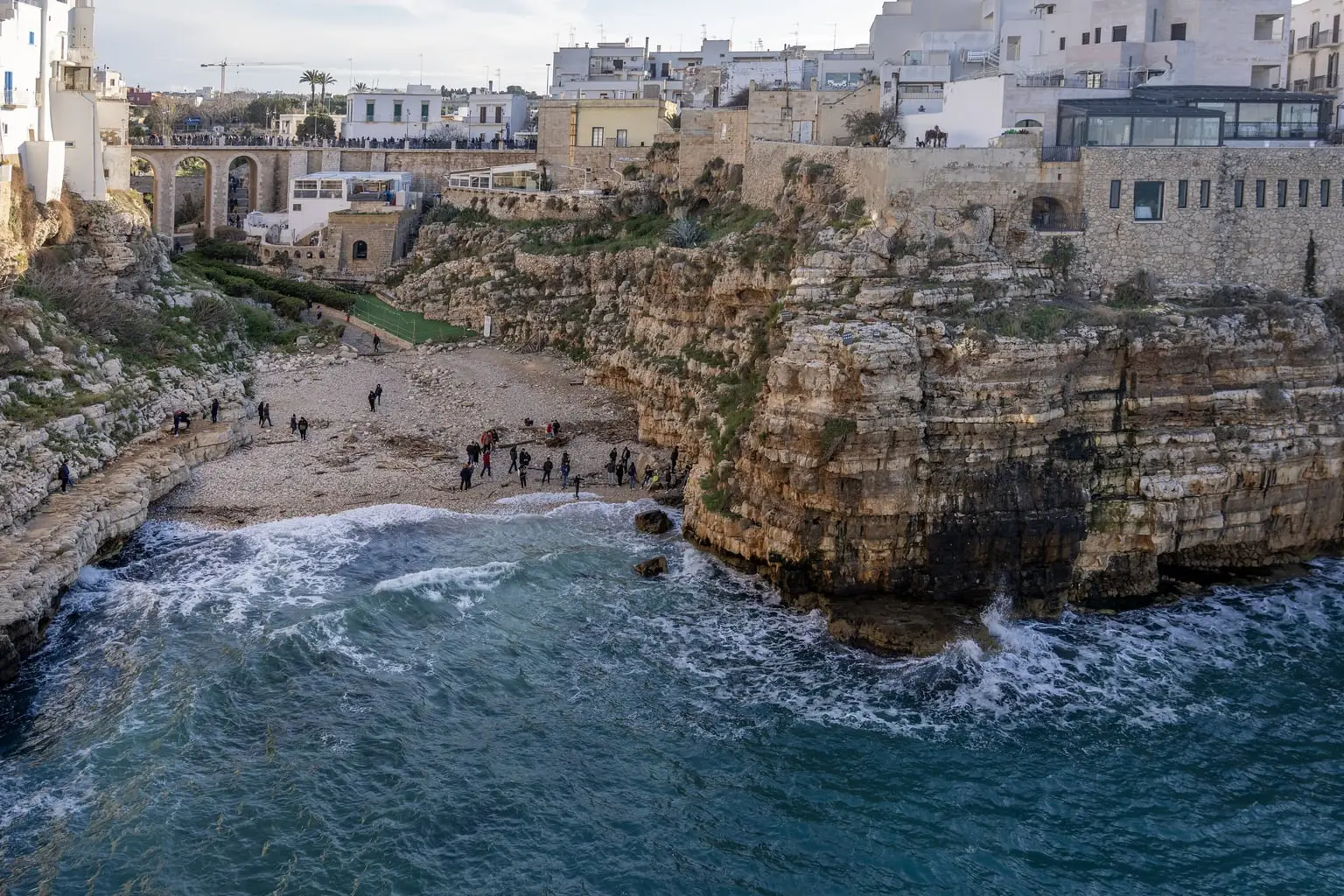
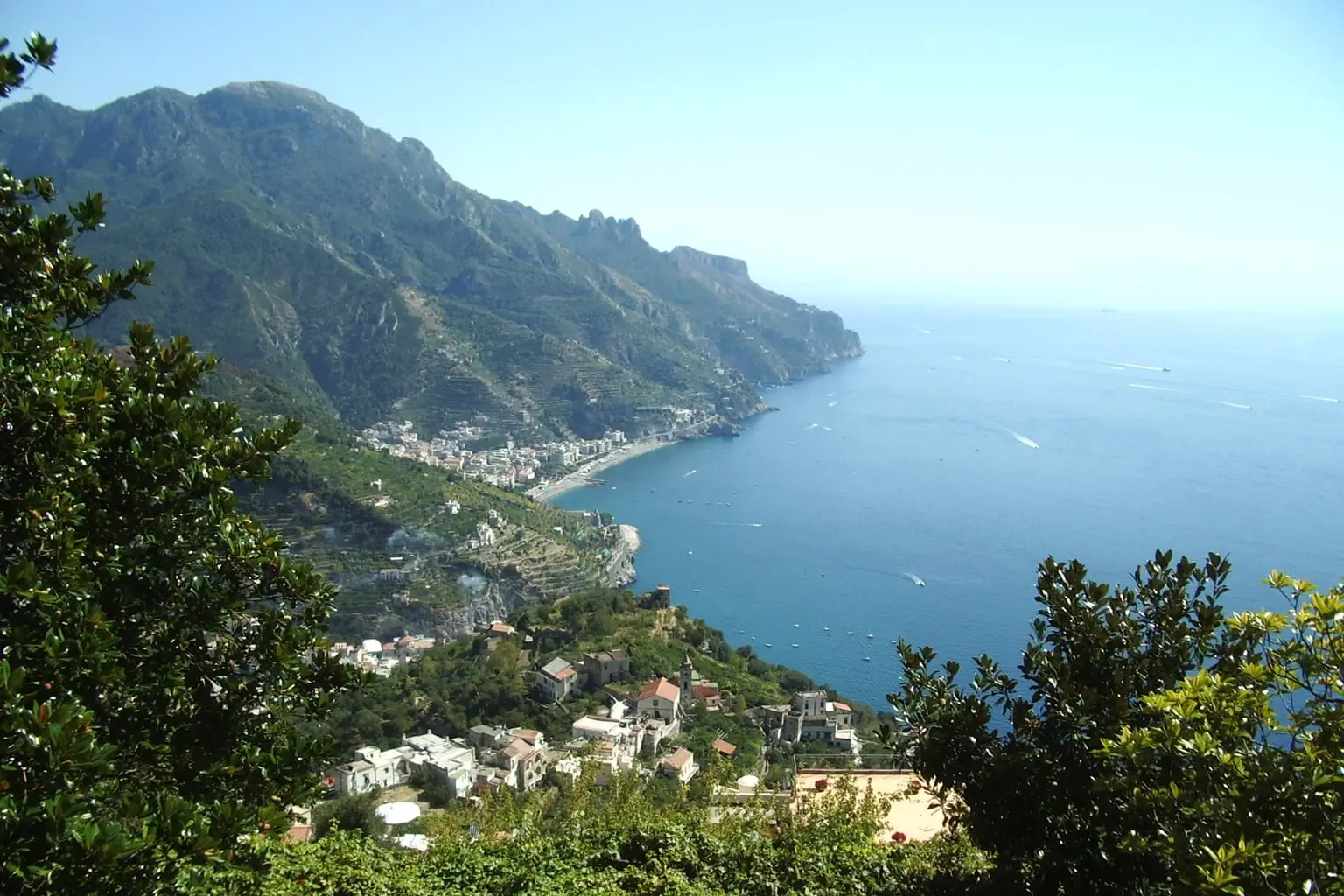
Photograph of Amalfi Coast & Naples Photo: Charlie Dave · CC BY 2.0

The short answer

Where should you stay in Amalfi Coast & Naples?

Base in Sorrento if you want the most practical access to Pompeii, Capri and the coast road; base in Naples if you want a full city with museums and food and are happy treating the coast as a day trip; base in Positano if the vertical village itself is the reason for the trip.

Then ask about steps. On this coast the number between the road and your room is a genuine planning fact, and it is the one thing hotel photography never shows.

Start with the area

Four practical bases in Amalfi Coast & Naples.

Steps are the practical currency here. A Positano address can mean two hundred of them between the road and your room, and no photograph will tell you. Ask, every time.

01

Naples

Naples is a dense, loud, deeply layered city with the archaeological museum that holds everything removed from Pompeii, and the best food in the region at ordinary prices. It has the region’s main station and airport, which makes it the easiest arrival point. It is not a coastal holiday — the Amalfi villages are a train and a bus away, not a stroll.

Best for

A real city, museums and the best onward connections.

Watch for

Dense and loud; the coast is a day trip, not a doorstep.

02

Sorrento

Sorrento sits on a cliff across the bay from Vesuvius, with a compact walkable centre and the best transport connections on the peninsula: trains to Pompeii and Naples, ferries to Capri, buses along the coast road. That is why it is the most recommended base. The catch is the swimming — the town is on top of the cliff, and the sea is down lifts and stairs.

Best for

The most practical base for Pompeii, Capri and the coast.

Watch for

A cliff town — the swimming is down lifts and stairs.

03

Positano

Positano cascades down a ravine to a beach, which is precisely why it photographs so well and why it is hard work. Roads are limited, parking is scarce and expensive, and the village is essentially a staircase. Stay here for the setting, with a clear understanding of the physical demand and the high-season congestion.

Best for

The classic vertical village and coast views.

Watch for

Steps, limited vehicle access and peak-season congestion.

04

Capri

Capri changes completely when the day boats leave, which is the argument for staying overnight rather than visiting. Everything arrives by ferry, including luggage, and the island’s transport is small buses and funicular. Prices are high and the logistics need planning, but the evenings are the reward.

Best for

An island evening after the day boats leave.

Watch for

Everything arrives by ferry, including your luggage.

Match the base to the trip

A faster Amalfi Coast & Naples area decision.

Use these profiles as a starting point, then test the exact hotel address against the journeys you will repeat.

01

Pompeii, Capri and the coast without changing hotels: Sorrento.

02

City, museums and food at real prices: Naples.

03

The classic coastal village: Positano, steps accepted.

04

An island evening after the crowds go: Capri.

Arrival and daily movement

Test the complete route—not only the map pin.

Transport details change. Use this planning framework, then verify the final journey with the official sources listed below.

01 / ARRIVAL

From the terminal to the hotel door

Naples is the arrival point for almost everyone, by air or by rail. From there the peninsula is reached by regional train to Sorrento, by ferry, or by road — and the coast road itself is slow, narrow and busy in season.

If your hotel is on the Amalfi Coast proper, ask exactly where a vehicle can stop and how far that is from reception. Private transfers are common here precisely because the last stage is difficult, and knowing the answer in advance is worth more than saving on the fare.

02 / GETTING AROUND

Build around the journeys you will repeat

The Circumvesuviana railway links Naples, Pompeii and Sorrento and is the backbone of the region for visitors. Ferries connect Sorrento, Positano, Amalfi and Capri seasonally and are frequently the pleasanter option. Check current schedules at source, especially outside summer.

The coast road is a single winding route with limited parking and heavy seasonal traffic. Driving it is an experience rather than a convenience; many travellers are better served by buses, ferries and transfers than by a hire car.

A clearer shortlist

What to verify before choosing.

A few property-specific answers can remove more uncertainty than another hour of scrolling.

Location checks

Ask for the number of steps between the nearest vehicle drop-off and reception.

Confirm whether luggage assistance exists — on the coast this is a real service, not a courtesy.

If you are relying on ferries, check they run in your travel month; several are seasonal.

Questions for the hotel

How many steps are there between the nearest vehicle drop-off and reception?

Is luggage assistance available, and is it included?

How is the nearest beach or sea access reached from the property?

Which ferries operate from the nearest port in my travel month?

Direct-call prompt

Describe your luggage and ask the property, plainly, how it will get from the road to the room.

Find listed phone numbers →

Planning answers

Amalfi Coast & Naples hotel area FAQ.

Answers are designed for area selection. Confirm current service, access and property terms before relying on them.

Where should I stay to visit Pompeii and the Amalfi Coast?

Sorrento is the standard answer because it connects to Pompeii and Naples by train, to Capri and the coast by ferry, and to Positano and Amalfi by bus, all without changing hotels. Naples works too if you prefer a city base and do not mind longer day trips.

Is Positano difficult to stay in?

Physically, yes. The village is built down a steep ravine and most properties involve significant steps, with limited vehicle access and expensive parking. It is worth it for the setting if you know in advance; it is a poor choice for heavy luggage or limited mobility.

Should I hire a car?

Usually not. The coast road is narrow and congested, parking is scarce and costly, and the train-and-ferry network covers the main routes well. A car makes sense mainly for the inland areas beyond the coast.

Is Naples safe for visitors?

Naples is a large city and warrants ordinary city awareness, particularly around the station and in crowds. Ask your property about the specific streets around it and about the recommended route back at night — they will give you a straight answer.

Is it worth staying overnight on Capri?

The island is genuinely different once the day boats have gone. If the budget allows a night or two, it changes the experience considerably. Plan the ferry logistics carefully, especially for luggage and for the return connection.

When is the coast least crowded?

The shoulder months are calmer and the coast road moves better, though some ferries and seasonal businesses reduce or close. Ask the property what is running during your dates before assuming the full network is available.

Editorial record

Reviewed by the Hotelsoncall editorial desk on . Hotel directory snapshot: Overture Maps. Transport and visitor information should be checked at source.

Official planning sources

Amalfi Coast & Naples hotel map

Where the Amalfi Coast & Naples hotels actually are.

5,899 mapped places to stay, drawn at their recorded position — Napoli alone holds 2,109 of them. Density shows where the stock sits; the four bases above say which part of it fits your trip.

Continue planning

Compare another destination guide.

Use the same area-first method across the next stops on your trip, or return to the complete guide collection.

All Europe destinations →Browse all destination guides →Open practical hotel search guides →