Spain · hotel area guide

Where to stay in Tenerife

Tenerife is effectively two islands divided by a volcano. The south around Adeje and Arona is dry, sunny and purpose-built for resorts; the north around Puerto de la Cruz and Santa Cruz is greener, cloudier, more Canarian and considerably cheaper.

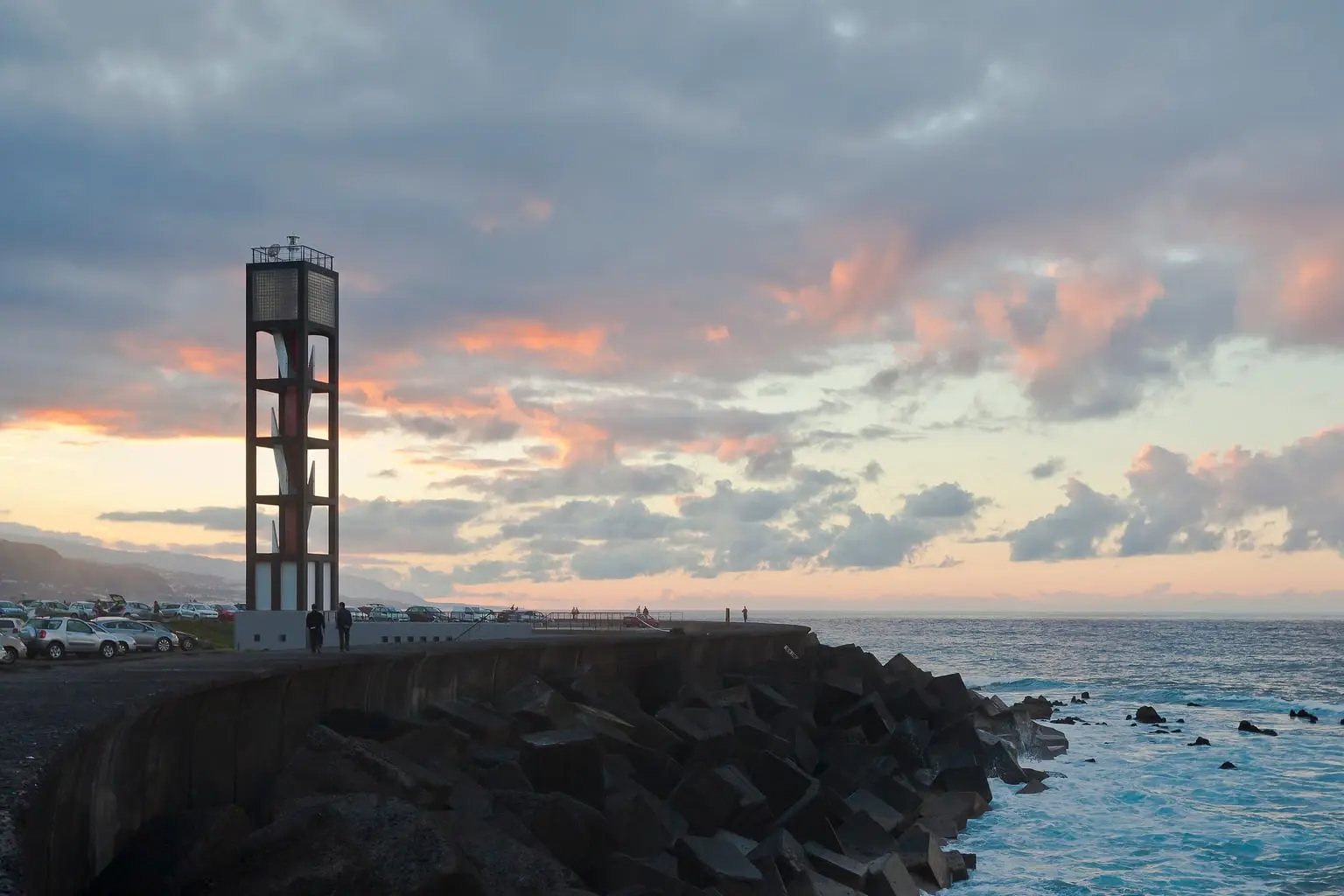
Photograph of Tenerife Photo: Diego Delso · CC BY-SA 3.0

The short answer

Where should you stay in Tenerife?

Stay in the south — Adeje or Los Cristianos — for the most reliable sun and the largest resorts; stay in the north — Puerto de la Cruz or Santa Cruz — for Canarian character, gardens, lower prices and a greener landscape.

The volcano in the middle splits the island’s weather. That is not a detail: the same week can be sunny in the south and cloudy in the north, and choosing without knowing it is the most common mistake made here.

Start with the area

Four practical bases in Tenerife.

This climate split is the single most useful thing to know before booking. The same week can be sunny in the south and overcast in the north, and neither is a defect — they are different destinations sharing an airport code.

01

Adeje

Costa Adeje in the south-west holds the island’s largest and newest resorts, along with the most dependable sunshine. Beaches are a mix of imported golden and natural black sand, and the infrastructure is comprehensive. It is purpose-built for tourism, so travellers looking for Canarian character rather than a resort will find little of it here.

Best for

The most reliable sun and the largest resorts.

Watch for

Purpose-built; little that predates tourism.
02

Arona & Los Cristianos

Adjacent to Adeje, Los Cristianos grew from a fishing town and retains a working harbour with ferries to the western islands, alongside compact resort beaches. It is busier and denser than Adeje and slightly more real. The beaches are small for the number of people using them in peak season.

Best for

A working town beside resort beaches.

Watch for

Busy, and the beaches are compact.

03

Puerto de la Cruz

On the northern coast, Puerto de la Cruz is the island’s oldest resort town, with botanical gardens, a lively plaza life and prices noticeably below the south. The Atlantic here is rougher and the sky cloudier — the black-sand beaches and the seawater lido are the swimming, not a calm bay.

Best for

Canarian character, gardens and lower prices.

Watch for

Cloudier weather and rougher Atlantic swimming.

04

Santa Cruz

The capital sits on the north-east coast with museums, an auditorium, a serious carnival and the best restaurant scene on the island. It is a city base rather than a beach one, though the golden beach at Las Teresitas is close. It also gives the shortest access to the Anaga mountains.

Best for

The capital, culture and Teide access.

Watch for

A city base rather than a beach one.

Match the base to the trip

A faster Tenerife area decision.

Use these profiles as a starting point, then test the exact hotel address against the journeys you will repeat.

01

Reliable sun and a big resort: Costa Adeje.

02

A harbour town beside the resort beaches: Los Cristianos.

03

Canarian character and value: Puerto de la Cruz.

04

City, culture and mountains: Santa Cruz.

Arrival and daily movement

Test the complete route—not only the map pin.

Transport details change. Use this planning framework, then verify the final journey with the official sources listed below.

01 / ARRIVAL

From the terminal to the hotel door

Tenerife has two airports: the southern one serves the resort coast and takes most international flights, while the northern one is closer to Santa Cruz and Puerto de la Cruz. Booking the wrong one adds a long cross-island transfer.

Ask the property which airport it recommends and for a door-to-door transfer estimate. The motorway around the island is good, but the distances are larger than they appear on a map of a single island.

02 / GETTING AROUND

Build around the journeys you will repeat

A well-regarded bus network connects the whole island and a tram runs between Santa Cruz and La Laguna. It is genuinely usable for a car-free trip along the main corridors; check current routes and passes at source.

For Teide, the Anaga mountains and the smaller villages, a car is a substantial advantage. Mountain roads are winding and the ascent to the crater is long — plan fewer stops per day than the distances suggest.

A clearer shortlist

What to verify before choosing.

A few property-specific answers can remove more uncertainty than another hour of scrolling.

Location checks

Choose north or south deliberately — the weather genuinely differs.

Match the airport: Tenerife South serves the resorts, Tenerife North the capital.

For Teide, confirm the driving time from your base and whether permits apply to any part of your plan.

Questions for the hotel

Which airport is nearest, and how long is the transfer?

What is the weather typically like here in my travel month?

Is the beach natural black sand or imported golden sand?

How far is the property from Teide by road?

Direct-call prompt

Ask what the weather is typically like at the property in your travel month — north and south answers will differ.

Find listed phone numbers →

Planning answers

Tenerife hotel area FAQ.

Answers are designed for area selection. Confirm current service, access and property terms before relying on them.

North or south Tenerife?

South for reliable sunshine and large resorts, north for greener landscape, Canarian character and lower prices. The volcano divides the island’s weather, so this is a genuine climate choice rather than a matter of taste alone.

Which airport should I fly into?

Tenerife South for the resort coast, Tenerife North for Santa Cruz and Puerto de la Cruz. Ask your property which it recommends — the cross-island transfer is long enough to matter.

Are the beaches black sand?

Many are, being volcanic. Several southern resort beaches use imported golden sand instead. Ask the property about its own nearest beach; both types are within a short distance of each other.

Do I need a car?

Not for a resort stay — the bus network is good along the main coastal corridors. Yes if you want Teide, the Anaga mountains or the smaller villages on your own schedule.

Can I visit Teide easily?

The national park is reachable by road from both sides of the island and by organised trips. Access to the summit itself has additional requirements that change over time, so check the current position at source before planning around it.

Is Tenerife good in winter?

The south in particular is a year-round destination and winter is one of its busiest periods. The north is cooler and wetter. Ask the property what the typical conditions are for your dates.

Editorial record

Reviewed by the Hotelsoncall editorial desk on . Hotel directory snapshot: Overture Maps. Transport and visitor information should be checked at source.

Official planning sources

Tenerife hotel map

Where the Tenerife hotels actually are.

1,213 mapped places to stay, drawn at their recorded position — Adeje alone holds 251 of them. Density shows where the stock sits; the four bases above say which part of it fits your trip.

Continue planning

Compare another destination guide.

Use the same area-first method across the next stops on your trip, or return to the complete guide collection.

All Europe destinations →Browse all destination guides →Open practical hotel search guides →