Mexico · hotel area guide

Where to stay in Mexico City

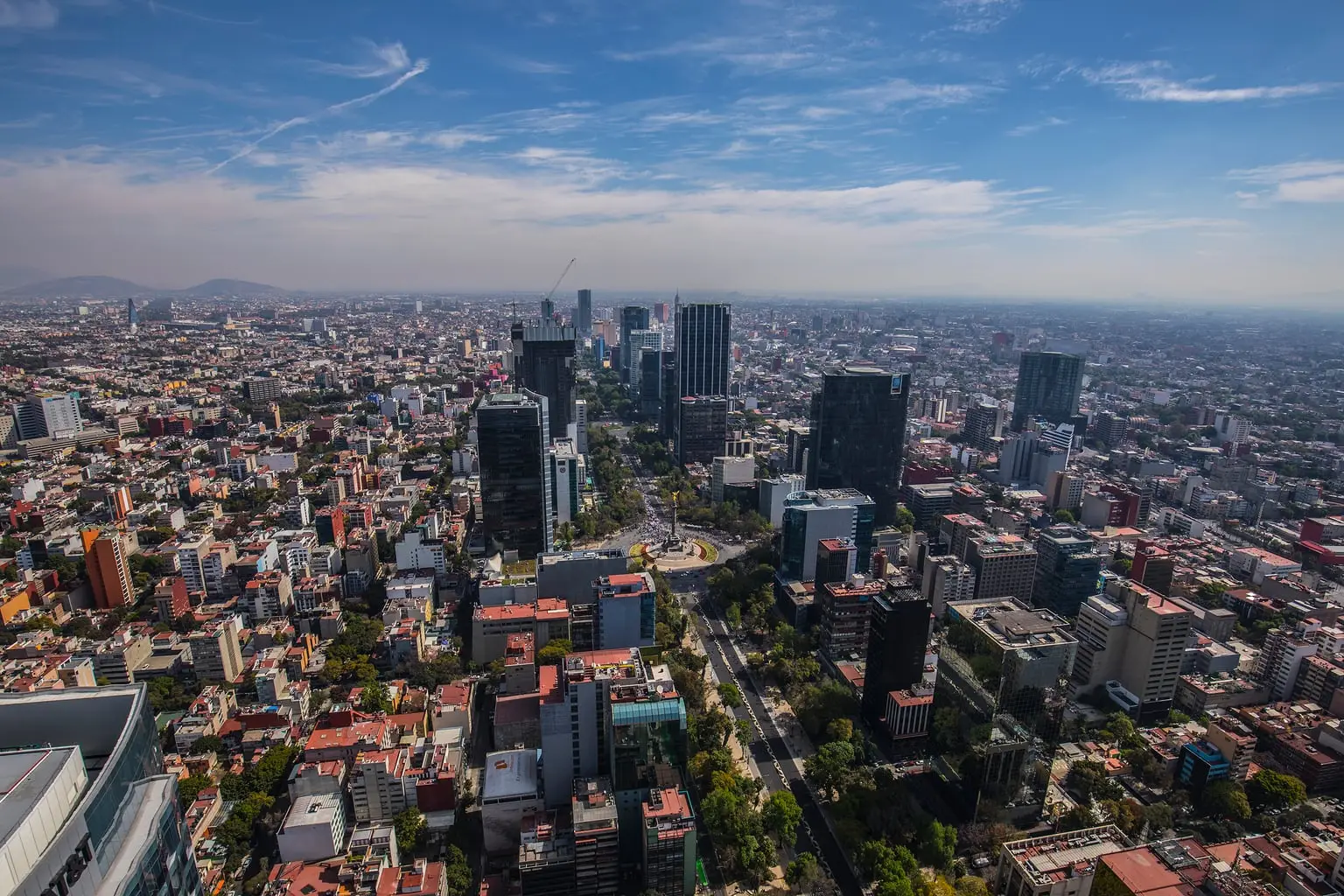
Mexico City rewards choosing a neighbourhood and walking it. Roma and Condesa are the tree-lined districts with the restaurants and cafés; Polanco is upmarket with the museums nearby; Centro Histórico holds the Zócalo and the colonial core; Coyoacán is a village-like southern district.

Photograph of Mexico City Photo: Gobierno CDMX · CC0

The short answer

Where should you stay in Mexico City?

Stay in Roma or Condesa for restaurants, cafés, parks and walkable evenings; stay in Polanco for upmarket hotels and the museums around Chapultepec; stay in Centro Histórico for the Zócalo and the colonial core; stay in Coyoacán for a village atmosphere in the south.

Plan a gentle first day whichever you choose. The city sits at high altitude and most visitors feel it for a day or two, which is not the moment for a packed itinerary.

Start with the area

Four practical bases in Mexico City.

One physical factor applies everywhere: the city sits at high altitude, and most visitors feel it for the first day or two. Plan a gentle start rather than a full itinerary on arrival day.

01

Roma & Condesa

These adjoining neighbourhoods have the tree-lined streets, the parks, and the highest concentration of restaurants, cafés and bars in the city, in early-twentieth-century architecture. They are the most enjoyable areas to walk in the evening. Hotels tend to be smaller and boutique, and the livelier streets are noisy at weekends.

Best for

Restaurants, cafés, parks and walkable evenings.

Watch for

Fewer large hotels; lively at night in parts.
02

Polanco

Polanco is the upmarket district beside Chapultepec park, close to the anthropology museum and the modern art collections, with international hotels and high-end restaurants. It is comfortable, well served and quieter in the evening than Roma or Condesa. It is also the most expensive area to stay.

Best for

Upmarket hotels, museums and Chapultepec.

Watch for

Expensive and quieter in the evening.

03

Centro Histórico

The historic core holds the Zócalo, the cathedral, the Templo Mayor and a dense concentration of colonial buildings and museums. Staying here puts the major sights on foot. It is intensely busy through the day and much quieter after dark, and hotel quality varies widely.

Best for

The Zócalo, colonial architecture and museums.

Watch for

Very busy by day and much quieter after dark.

04

Coyoacán

In the south, Coyoacán keeps a village-like centre with markets, plazas, the Frida Kahlo house and a slower pace. It is a lovely place to spend a day and a pleasant place to stay if you want calm. Journeys to the centre and to Polanco take real time.

Best for

Village atmosphere, markets and the Frida Kahlo house.

Watch for

Away from the centre; longer journeys.

Match the base to the trip

A faster Mexico City area decision.

Use these profiles as a starting point, then test the exact hotel address against the journeys you will repeat.

01

Restaurants and walkable evenings: Roma or Condesa.

02

Museums and upmarket comfort: Polanco.

03

Colonial core and major sights: Centro Histórico.

04

Village calm and markets: Coyoacán.

Arrival and daily movement

Test the complete route—not only the map pin.

Transport details change. Use this planning framework, then verify the final journey with the official sources listed below.

01 / ARRIVAL

From the terminal to the hotel door

Mexico City’s main airport sits east of the centre, with a second airport serving the wider region. Journey times into the central neighbourhoods vary considerably with traffic.

Ask the property what it recommends for the transfer — authorised airport taxis and ride-hailing both operate, and the arrangements differ between the terminals.

02 / GETTING AROUND

Build around the journeys you will repeat

The metro is extensive and inexpensive, supplemented by the Metrobús corridors and by widely used ride-hailing. Ask the property which station is nearest and whether it recommends it for your routes and times.

Roma, Condesa, Polanco and Coyoacán are each pleasant to walk within; moving between them generally means transport. Traffic makes cross-city journeys slower than the distances suggest.

A clearer shortlist

What to verify before choosing.

A few property-specific answers can remove more uncertainty than another hour of scrolling.

Location checks

Allow a gentle first day for the altitude.

Ask which metro station is nearest and whether the property recommends it for your routes.

Ask about noise — Roma and Condesa are lively on weekend nights.

Questions for the hotel

How noisy is the street at night, particularly at weekends?

Which metro station is nearest, and do you recommend it?

What do you recommend for the airport transfer?

Is breakfast included, and is there a rooftop or courtyard?

Direct-call prompt

Ask about street noise at night and which metro station is closest.

Find listed phone numbers →

Planning answers

Mexico City hotel area FAQ.

Answers are designed for area selection. Confirm current service, access and property terms before relying on them.

Where should I stay in Mexico City?

Roma or Condesa for restaurants and walkable evenings, Polanco for museums and comfort, Centro Histórico for the colonial core, Coyoacán for a calmer village feel. All four are genuinely different experiences.

Does the altitude affect visitors?

Most people notice it for the first day or two — shortness of breath on stairs, a slower pace, sometimes a headache. Plan a gentle arrival day and drink plenty of water.

Is Mexico City safe for tourists?

The central neighbourhoods most visitors use are well travelled, with ordinary city precautions applying and conditions varying by area and hour. Ask your property what it recommends for your specific routes at night.

Do I need to book restaurants?

For the better-known places in Roma, Condesa and Polanco, yes, often well ahead. Ask your property to help — many will book on your behalf.

How do I get to Teotihuacán?

It is a day trip north of the city by tour, bus or car. Ask your property what it recommends and allow a full day rather than a half.

Is the metro useful?

Yes — it is extensive and very cheap, and it covers the main districts. It is also extremely crowded at peak hours. Ask the property whether it recommends it for your particular routes.

Editorial record

Reviewed by the Hotelsoncall editorial desk on . Hotel directory snapshot: Overture Maps. Transport and visitor information should be checked at source.

Official planning sources

Mexico City hotel map

Where the Mexico City hotels actually are.

2,340 mapped places to stay, drawn at their recorded position — Cuauhtémoc alone holds 721 of them. Density shows where the stock sits; the four bases above say which part of it fits your trip.

Continue planning

Compare another destination guide.

Use the same area-first method across the next stops on your trip, or return to the complete guide collection.

All North America destinations →Browse all destination guides →Open practical hotel search guides →