Malaysia · hotel area guide

Where to stay in Kuala Lumpur

Kuala Lumpur is spread out and built for cars, which makes the choice of area more consequential than in a compact city. KLCC surrounds the Petronas Towers with malls and hotels; Bukit Bintang is the dense shopping and eating district; Chinatown holds the older streets; Bangsar is residential with a strong food scene.

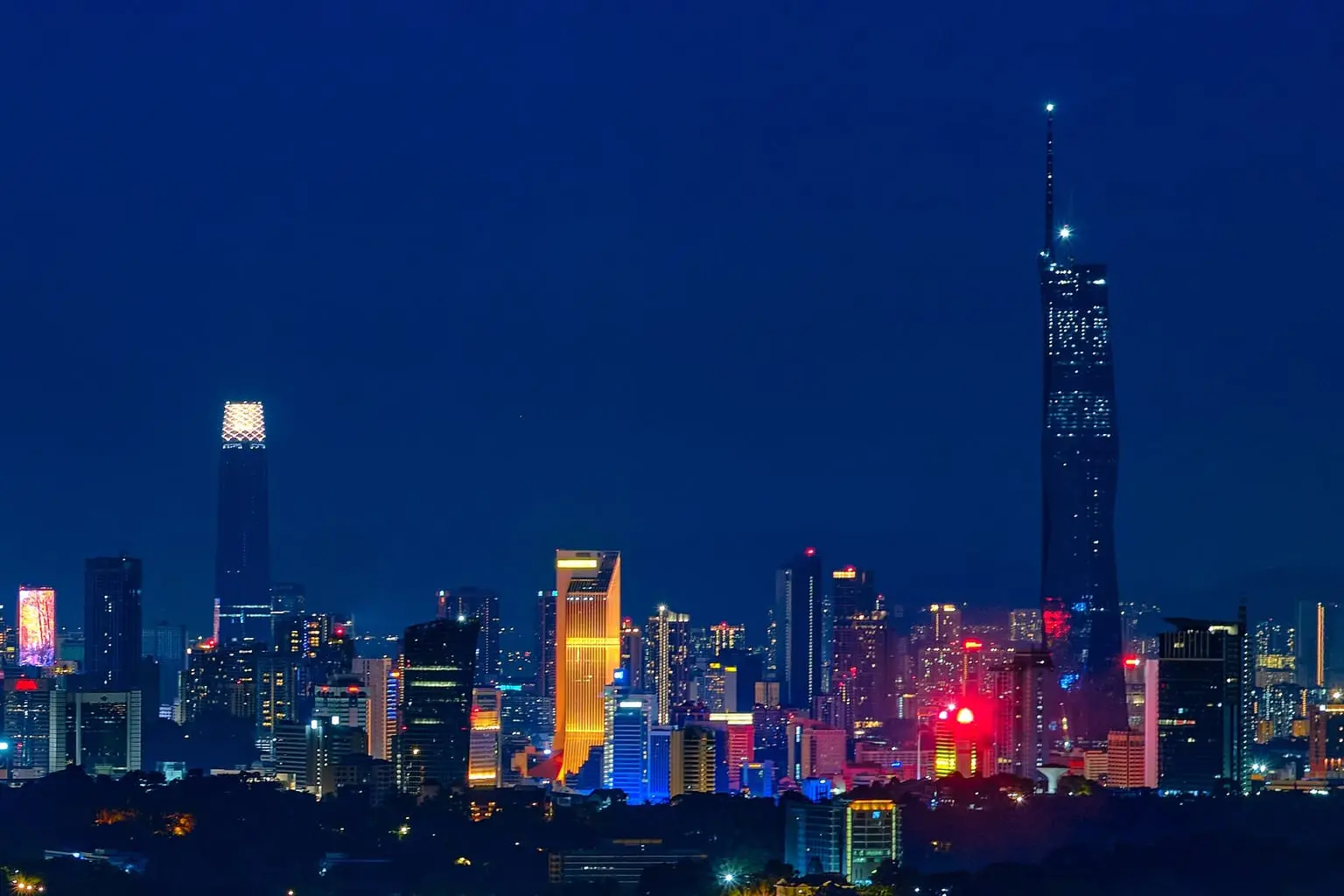
Photograph of Kuala Lumpur Photo: Shahee Ilyas · CC BY-SA 4.0

The short answer

Where should you stay in Kuala Lumpur?

Stay in KLCC for the towers, the park and the main malls; stay in Bukit Bintang for food, shopping and monorail access; stay in Chinatown for older streets and value; stay in Bangsar for restaurants and a residential neighbourhood.

Kuala Lumpur is built for cars and the pavements reflect it. Being close to a rail station — and knowing which of the several networks it belongs to — matters more here than in most Asian capitals.

Start with the area

Four practical bases in Kuala Lumpur.

Walkability is uneven here — pavements stop, footbridges appear, and the heat is constant. Being near a rail station matters more than being near a landmark.

01

KLCC

The area around the Petronas Towers holds the park, the aquarium, the largest mall and a cluster of international hotels. It is polished, convenient and comparatively expensive, with a corporate atmosphere outside office hours. Connections to Bukit Bintang run through a covered walkway, which is genuinely useful in the heat.

Best for

The towers, the park and the main malls.

Watch for

Corporate in feel and expensive.
02

Bukit Bintang

Bukit Bintang is the dense eating and shopping district, with street food, malls, bars and the monorail running through it. It has the widest choice of hotels and the most life at street level. The core is crowded and noisy, so ask which rooms face away from the main road.

Best for

Food, shopping and monorail access.

Watch for

Crowded and noisy in the core.

03

Chinatown & Merdeka

The older part of the city holds Petaling Street market, colonial-era buildings around Merdeka Square and a growing number of small hotels in restored shophouses. It is the most atmospheric and least expensive central base. Rooms tend to be simpler and the area quietens early.

Best for

Older streets, markets and value.

Watch for

Rooms are more basic on average.

04

Bangsar

South-west of the centre, Bangsar is a residential district known for its restaurants and bars, popular with expatriates and locals rather than visitors. It offers a genuine neighbourhood experience and good food. It is away from the sights, so plan on rail or rides for everything.

Best for

Restaurants and a residential neighbourhood.

Watch for

Away from the sights; needs transport.

Match the base to the trip

A faster Kuala Lumpur area decision.

Use these profiles as a starting point, then test the exact hotel address against the journeys you will repeat.

01

Towers, park and malls: KLCC.

02

Food and street life: Bukit Bintang.

03

Old streets and value: Chinatown.

04

Restaurants and a neighbourhood: Bangsar.

Arrival and daily movement

Test the complete route—not only the map pin.

Transport details change. Use this planning framework, then verify the final journey with the official sources listed below.

01 / ARRIVAL

From the terminal to the hotel door

Kuala Lumpur International Airport is a considerable distance from the city, connected by an express rail service, buses and taxis. Journey times differ substantially between them, so choose deliberately rather than by price alone.

Ask the property which station is nearest and how you should complete the journey from the rail terminus. KL Sentral is the main interchange and not every hotel is close to it.

02 / GETTING AROUND

Build around the journeys you will repeat

Several rail systems operate — LRT, MRT, monorail and commuter lines — and they do not always interchange conveniently. Ask which line serves your area. App-based rides are inexpensive and widely used for anything awkward.

Walking is uneven: pavements can disappear and crossings are indirect, though covered walkways link parts of the centre. Plan on rides for anything beyond a short, known route.

A clearer shortlist

What to verify before choosing.

A few property-specific answers can remove more uncertainty than another hour of scrolling.

Location checks

Ask which rail line and station are nearest — KL’s network has several separate systems.

Check whether the walk to the station is covered; the heat and rain are both serious.

Confirm airport transfer options; KLIA is a long way from the centre.

Questions for the hotel

Which station is nearest, which line is it on, and how far on foot?

Is the walk to the station covered?

How do you recommend travelling from the airport, and how long does it take?

Does the room face the main road?

Direct-call prompt

Ask which station is nearest, which line it is on, and whether the walk there is sheltered.

Find listed phone numbers →

Planning answers

Kuala Lumpur hotel area FAQ.

Answers are designed for area selection. Confirm current service, access and property terms before relying on them.

Where should I stay in Kuala Lumpur?

KLCC for polish and the towers, Bukit Bintang for food and street life, Chinatown for character and value, Bangsar for restaurants and a residential feel. Proximity to a rail station should weigh heavily in the decision.

How do I get from the airport?

An express rail service, buses and taxis all connect the airport with the city, with quite different journey times. Ask your property which it recommends and how you would complete the trip from the rail terminus.

Is Kuala Lumpur walkable?

Partly. Covered walkways link some central areas, but pavements are inconsistent and the heat is constant. Most visitors combine rail with app-based rides.

Which rail line do I need?

The city has several separate systems that do not always interchange smoothly. Ask the property which line serves its nearest station before assuming a route.

Is Chinatown a good base?

For value, atmosphere and access to the older city, yes. Rooms are generally simpler than in KLCC or Bukit Bintang and the area is quieter in the evening.

How far is Batu Caves?

It lies north of the city and is reached by commuter rail from KL Sentral. Check current services at source and ask your property how to reach the station.

Editorial record

Reviewed by the Hotelsoncall editorial desk on . Hotel directory snapshot: Overture Maps. Transport and visitor information should be checked at source.

Official planning sources

Kuala Lumpur hotel map

Where the Kuala Lumpur hotels actually are.

2,972 mapped places to stay, drawn at their recorded position — Bandar Kuala Lumpur alone holds 932 of them. Density shows where the stock sits; the four bases above say which part of it fits your trip.

Continue planning

Compare another destination guide.

Use the same area-first method across the next stops on your trip, or return to the complete guide collection.

All Asia destinations →Browse all destination guides →Open practical hotel search guides →