Netherlands · hotel area guide

Where to stay in Amsterdam

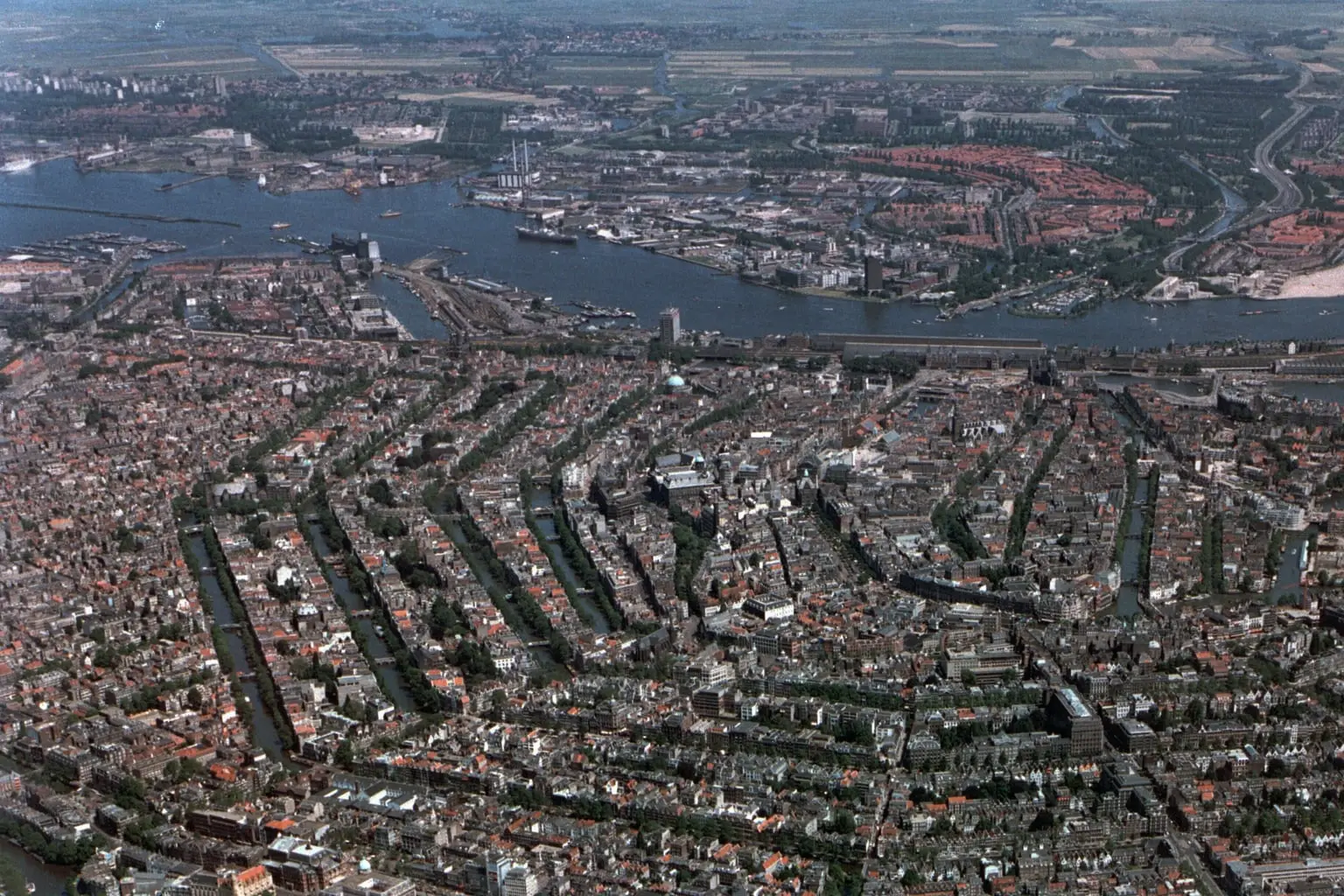
Amsterdam is small enough to cross on foot and dense enough that the neighbourhood still changes the trip. The Centrum holds the canal ring and the crowds; Jordaan is quieter and more residential a few streets west; De Pijp has the market and the restaurants; Oud-Zuid puts the major museums and the park on your doorstep.

Photograph of Amsterdam Photo: Amsterdam Municipal Department for the Preservation and Restoration of Historic Buildings and Sites (bMA). The author is · Attribution

The short answer

Where should you stay in Amsterdam?

Stay in the Centrum if you want the canal ring and the stations on foot and can accept the crowds; stay in Jordaan for the same canals a few streets quieter; stay in De Pijp for restaurants and market life; stay in Oud-Zuid for the museums, the park and calm evenings.

Then ask about the stairs. Amsterdam’s canal houses are tall and narrow with famously steep staircases, and many have no lift. It is the practical detail that most often surprises visitors on arrival.

Start with the area

Four practical bases in Amsterdam.

Two Amsterdam-specific facts matter more than they should: canal houses have famously steep, narrow staircases and frequently no lift, and central rooms facing the street can be loud late. Ask about both.

01

Centrum

The historic core covers the canal ring, the Dam, the station and the red-light district, and everything is walkable from it. It is the most convenient base and the busiest — the streets between the station and the Dam are crowded from morning until late. Rooms facing the main streets and the bar quarters are noisy; interior and canal-facing rooms are markedly quieter.

Best for

The canal ring, central stations and everything on foot.

Watch for

Crowded, and the busiest streets are noisy late.

02

Jordaan

Immediately west of the centre, Jordaan has the same canals with a fraction of the crowd, small bars, courtyards and independent shops. It is the neighbourhood most visitors wish they had booked. Hotels here tend to be small, which means fewer rooms, more stairs and a genuine premium on the good ones.

Best for

Quieter canals, small bars and a residential feel.

Watch for

Fewer large hotels; mostly small properties.

03

De Pijp

South of the centre, De Pijp is a nineteenth-century grid built around the Albert Cuyp market, with a dense concentration of restaurants and a younger residential population. It offers a more everyday Amsterdam at better value. The canal ring is a short tram ride rather than a stroll.

Best for

Market, restaurants and a younger atmosphere.

Watch for

A tram ride from the canal ring.

04

Oud-Zuid

The museum quarter holds the Rijksmuseum, the Van Gogh Museum and the Vondelpark, in a district of wide streets and larger buildings. It is the calmest central base and the easiest for families. Evenings are quiet — for dinner and bars you will usually travel back toward the centre or De Pijp.

Best for

Museums, the Vondelpark and calm evenings.

Watch for

Less street life after dinner.

Match the base to the trip

A faster Amsterdam area decision.

Use these profiles as a starting point, then test the exact hotel address against the journeys you will repeat.

01

A first visit with everything on foot: Centrum.

02

The same canals, quieter: Jordaan.

03

Food, market and value: De Pijp.

04

Museums, park and calm: Oud-Zuid.

Arrival and daily movement

Test the complete route—not only the map pin.

Transport details change. Use this planning framework, then verify the final journey with the official sources listed below.

01 / ARRIVAL

From the terminal to the hotel door

Schiphol connects to Amsterdam Centraal by frequent trains in a short ride, with taxis and buses also available. From Centraal, trams reach most of the city quickly. Ask the property which tram or metro it recommends from the station.

If you are staying in a canal house, ask about the stairs before arrival rather than discovering them with a suitcase. Some properties offer a hoist or ground-floor rooms on request; both need arranging in advance.

02 / GETTING AROUND

Build around the journeys you will repeat

Trams, metro and buses cover the city and a single travel card works across them. The centre is comfortably walkable and cycling is the local default, though city traffic is not the place to learn. Check current fares and passes at source.

Cars are an active disadvantage here: parking is expensive, the centre is restricted, and the canals leave little room. Almost every visitor is better off without one.

A clearer shortlist

What to verify before choosing.

A few property-specific answers can remove more uncertainty than another hour of scrolling.

Location checks

Ask whether the building has a lift — many canal houses do not, and the stairs are steep.

Check whether the room faces a canal, a street or a courtyard; noise differs sharply.

Confirm how far the nearest tram stop is if you are not planning to walk everywhere.

Questions for the hotel

Is there a lift, and how many flights of stairs are there to the room?

Does the room face a street, a canal or an internal courtyard?

How far is the nearest tram stop, and which line?

Is luggage assistance available on arrival?

Direct-call prompt

Ask how many flights of stairs stand between the entrance and the room, and whether there is a lift.

Find listed phone numbers →

Planning answers

Amsterdam hotel area FAQ.

Answers are designed for area selection. Confirm current service, access and property terms before relying on them.

Which Amsterdam neighbourhood is best?

Centrum for convenience, Jordaan for canals without the crowds, De Pijp for food and value, Oud-Zuid for museums and quiet. The city is small enough that all four are close; the difference is atmosphere and noise rather than distance.

Are Amsterdam hotel stairs really that steep?

In canal houses, yes — they are historically narrow and steep, and many buildings have no lift. If that is a concern, ask the property directly and request a lower floor or a building with a lift.

Is it noisy in the centre?

It can be, particularly near the bar streets and around the station. Ask which rooms face away from the street; interior and courtyard rooms make a large difference.

Do I need a car?

No. Parking is expensive and restricted, and the tram network plus walking covers everything. A car is a liability in central Amsterdam.

How do I get from Schiphol?

Trains run frequently to Amsterdam Centraal and the journey is short. From there trams reach most neighbourhoods. Ask your property which connection it recommends for its address.

Should I book museum tickets in advance?

The major museums and the Anne Frank House operate timed entry that sells out. Check current booking requirements at source well before travelling rather than planning to buy on the day.

Editorial record

Reviewed by the Hotelsoncall editorial desk on . Hotel directory snapshot: Overture Maps. Transport and visitor information should be checked at source.

Official planning sources

Amsterdam hotel map

Where the Amsterdam hotels actually are.

1,211 mapped places to stay, drawn at their recorded position — Amsterdam alone holds 1,047 of them. Density shows where the stock sits; the four bases above say which part of it fits your trip.

Continue planning

Compare another destination guide.

Use the same area-first method across the next stops on your trip, or return to the complete guide collection.

All Europe destinations →Browse all destination guides →Open practical hotel search guides →